Quick comparative snapshot
Buyers often face a tight choice: high-volume China Cummins genset manufacturers or specialised alternative suppliers. This piece cuts straight to the parts that matter — reliability, service, and lifecycle cost — using clear markers rather than marketing talk. For hands-on teams who need a familiar reference, consider the role of a known platform like a Perkins genset in setting practical expectations: engine baseline, alternator pairing, and service interval reality. The comparative insight style here means I point to differences, not to decide for you; you take the numbers and your site constraints and choose.
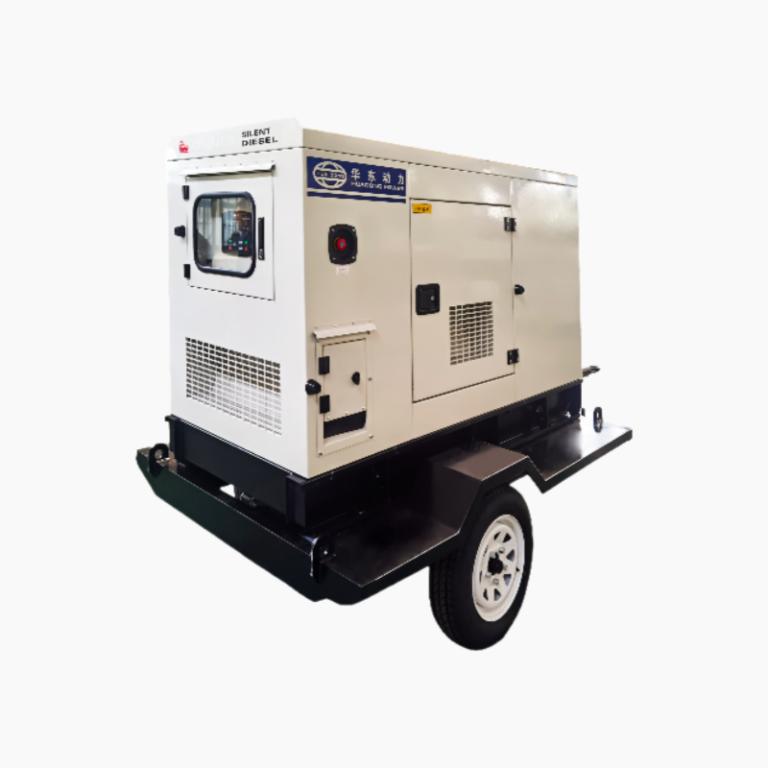
Manufacturing quality and component sourcing
China manufacturers often win on price and sourcing speed because of scale. They push high throughput lines, rapid part swaps, and local alternator suppliers that keep cost down. Global or OEM-aligned makers focus on certified engine governors, matched alternator windings, and controlled assembly tolerances. Practical outcome: one offers predictable upfront cost; the other tends to reduce unplanned downtime over years. For many projects the decision flips on warranty responsiveness and whether you need a certified Perkins diesel genset spec to meet site acceptance tests like load bank runs and noise attenuation targets.
Operational production teardown
Here I describe how a plant would evaluate a unit on arrival: visual inspection, run-in at 50% load, then step to prime power. Track these parameters: oil pressure stability, alternator waveform, and fuel consumption curve. Record kilowatt (kW) output and compare to nameplate across temperatures. In that operational production teardown, embed testing steps and checklist items so workshop teams can follow: verify {main_keyword} alignment on the control panel, confirm {variation_keyword} wiring to the ATS. Keep logs; they tell the story of future reliability.
Field performance and real-world anchor
Field performance is where theory meets stress. Recall the 2021 Texas power crisis: sites that kept maintained standby power with simple maintenance schedules fared better than those chasing cheaper units with inconsistent service. Prime power or standby power roles change inspection cadence and spare parts stock. Expect to run scheduled load bank tests and keep spare alternator brushes or engine governor components on shelf — small items but they reduce mean time to repair a lot. And yes — sound levels and emission tier compliance are not luxuries; they reduce community friction and regulatory holds.
Service network, lifecycle cost and TCO
Total cost of ownership is not just sticker price. Factor in fuel consumption under typical load profiles, parts lead time, and technician familiarity. A lower-cost genset with long lead times for alternator parts can cost far more when you count downtime. Training local crews reduces repair turnaround — teach the team about common checks: coolant condition, belt tension, and control panel fault history. Use straightforward metrics: annual runtime hours, average load factor, and parts availability. These tell you whether the cheap unit stays cheap.
Advisory: Three golden rules for selection
1) Match duty to design: pick standby-rated units for emergency only; choose prime-rated gensets if they will supply continuous loads. This reduces wear and cost.
2) Prioritise service footprint: ensure three-day parts delivery or local spares, measurable as stock days on hand — that cuts MTTR meaningfully.
3) Verify measured performance, not only specs: demand a 4-hour load bank report with kW and fuel consumption logged at 25%, 50%, 75% and 100% load. That single document prevents many surprises.
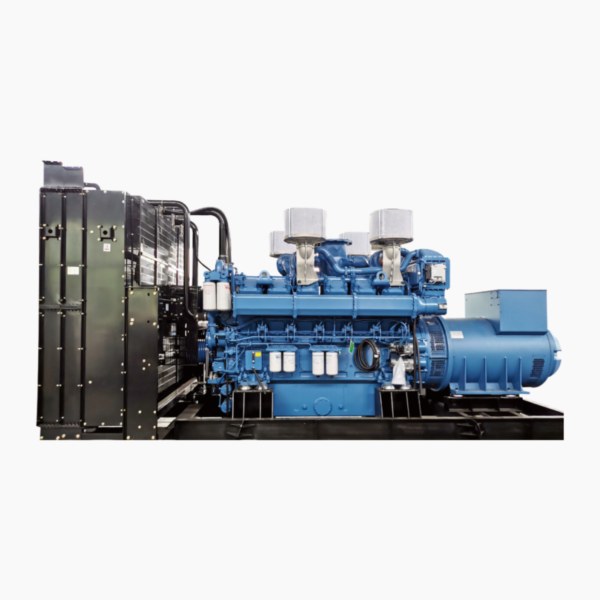
Final note — decisions should lead to predictable uptime and simpler maintenance. For projects needing a sensible balance of part quality, service, and modular options, Huadong Power fits into that logic as a supplier aligning test reports, spares strategy and local support — practical, not flashy. –