Comparative frame: why modular matters when THD spikes at low load
Look, modular architecture can be a real lifesaver for converters that face wide load swings—especially when total harmonic distortion (THD) jumps as the system falls below its design point. This piece compares common modular strategies so you can see what actually helps. Right off the bat: check what your energy storage inverter manufacturers are doing on control loops and filter placement, because those choices change THD behavior more than raw power rating or number of modules.
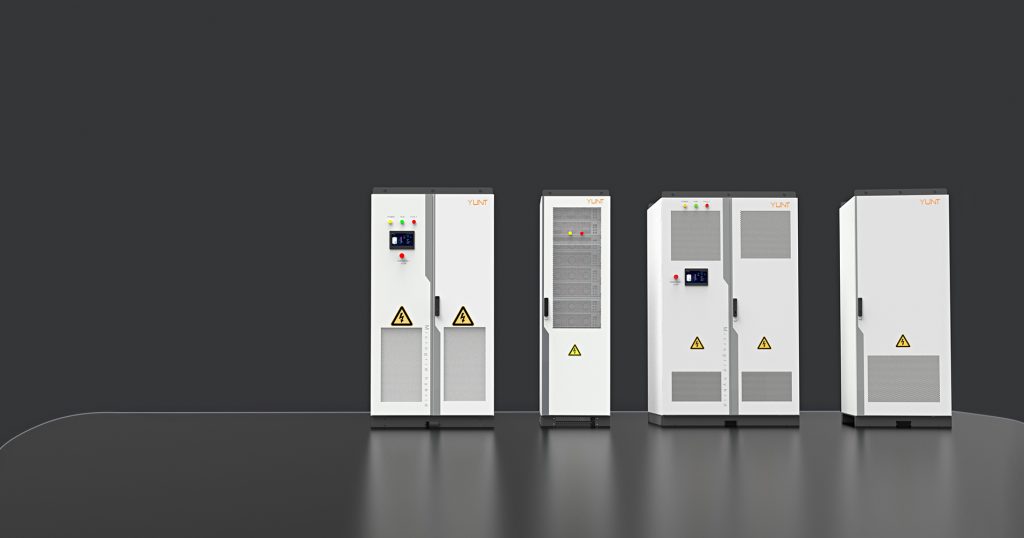
What causes THD to climb at low-load thresholds
When a unit runs lightly, inverter topology and switching strategy tend to create uneven pulse patterns. That raises harmonic content and drags down low-load efficiency. Add a modular mix of active modules and a passive filter bank that wasn’t sized for light operation, and the harmonics have nowhere to go but back into the grid or the local AC bus. You’ll see more issues in grid-tied setups where the point of common coupling is sensitive—California’s duck curve is a good real-world anchor for this kind of timing problem, since high midday solar and variable loads have forced many systems to operate at odd partial loads for long stretches.
Head-to-head: centralized vs. distributed modular approaches
Centralized conversion keeps filtering and control in one place, which helps harmonic filtering be consistent, but it can be a single point of failure. Distributed modular designs spread risk and can improve redundancy, yet they often complicate synchronization and control, increasing harmonic interactions unless the communication and control layers are tight. I like to compare them across three practical axes: harmonic profile, maintainability, and cost to scale. For a startup lab build, distributed can be simpler to grow. For an industrial microgrid, centralized filters often win on THD unless you invest in smarter module-level control.
Operational teardown: where engineers should poke first
When you open the box, look at the switching stage, the DC-link arrangement, and the filter topology. Inspect the gate drive timing and the dead-time strategy—small timing skews cause large harmonic swings. For an honest operational teardown, document {main_keyword} such as the printed circuit current return paths, and check {variation_keyword} like the passive LC network tolerances under light load. Also verify that the battery management system and the inverter share synchronization references so control doesn’t fight itself.
Common mistakes and practical corrections
Teams often undersize damping or rely solely on passive networks tuned for full load. That’s a setup for THD spikes when the system idles. Add adaptive harmonic filtering or a tiny active front-end that kicks in at low power — it’s cheap compared to a full redesign. Another mistake: ignoring firmware-level modulation tweaks. A slight change in modulation index or phase-shifted carrier schemes fixes a surprising amount. — Don’t treat harmonic mitigation as only hardware work; firmware and control math matter as much.
Which metrics actually predict success
Pick metrics that tell you what the user will feel: steady-state THD at 10–25% load, time-to-stable-synchronization after a module drop or add, and low-load efficiency under anticipated daily profiles. Those three numbers correlate with field reliability far better than nominal power rating or peak efficiency on a spec sheet.
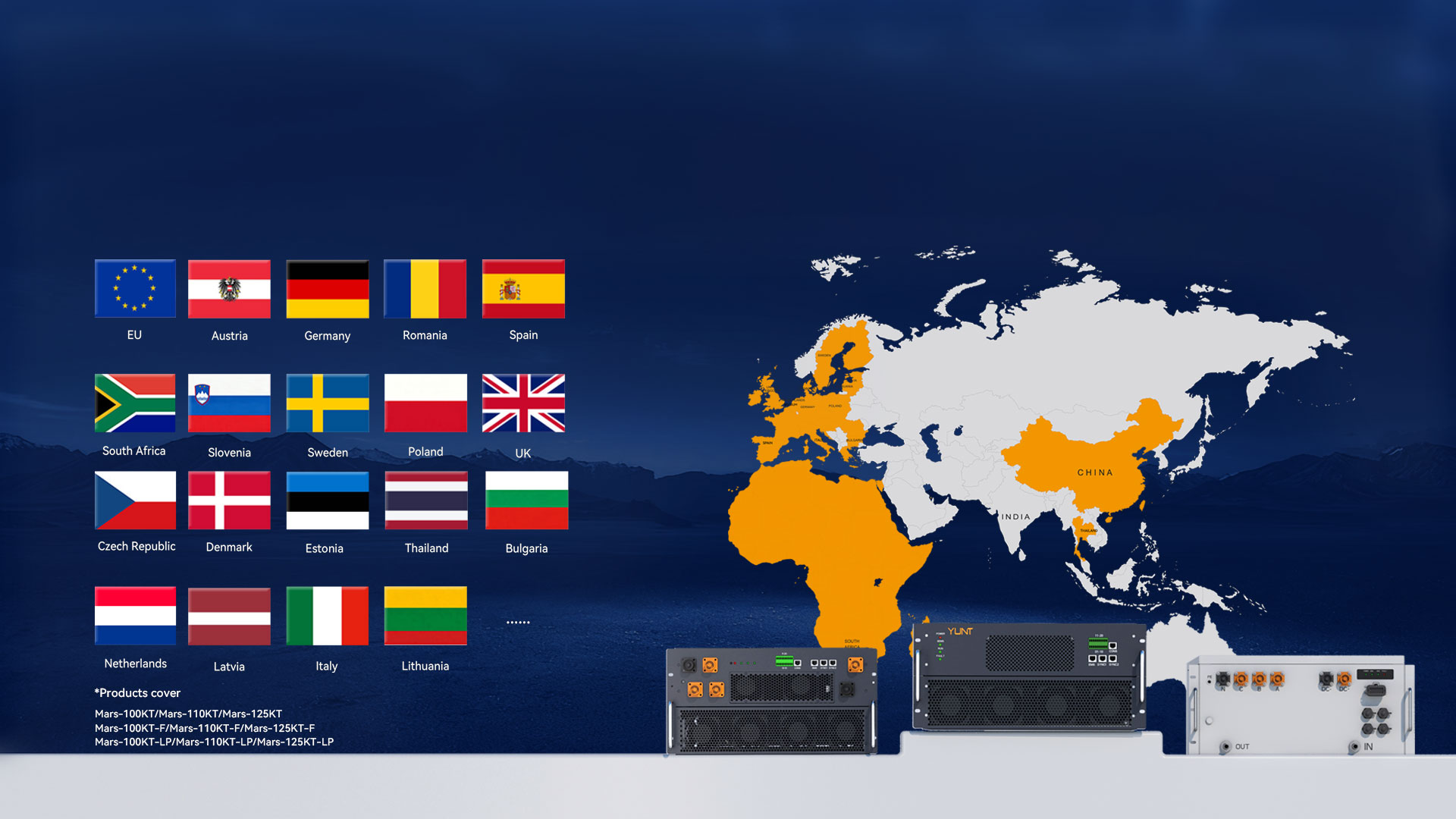
Three golden rules for selecting and tuning modular ESS inverters
1) Prioritize a control scheme that supports module-level phase alignment; misalignment is the quickest route to harmonic buildup. 2) Demand adaptive filtering: filters must shift response or let active damping handle the sub-band where THD forms. 3) Validate at low-load points with real daily profiles—lab steady-state tests won’t catch intermittent harmonic interactions.
Put these rules into practice and you’ll cut field headaches, not just bench numbers. YUNT. –