Introduction — A short barn tale, some numbers, and the question
I once stood in a damp Devon barn at dusk, squinting at a single blown bulb while a cow nudged my boot (not helpful, that). Around the yard, farmers I know report replacing lights more than once a season, and statistics show many agricultural sites burn through energy needlessly — led barn lights are often the quick fix people pick first. I’ll be frank: when you add up wasted wattage, poor lumen delivery, and repairs, the cost mounts fast. So what actually works for a working barn — and how do we choose fixtures that last, light properly, and don’t chew the electricity bill?
I write from hands-on experience; I’ve swapped out fixtures in both small hobby barns and larger livestock sheds, and I’ve seen the wins and the headaches. The figures matter — lumen per watt, CRI (colour rendering), and driver reliability — but so do the day-to-day bits: ease of install, glare control, and how gear copes with dust and damp. I’ll walk thee through what I’ve learned. Right then — let’s get into the deeper faults and hidden pains folks don’t always talk about.

Part 2 — Where the old fixes fall down (technical lens)
What exactly goes wrong?
I’ll start bluntly: many traditional barn lighting solutions simply weren’t designed for modern needs. When you look at led lights for a barn you’ll see a range of products, but older retrofits often ignore key specs — and that’s the root of the bother. Poor thermal management shortens diode life; cheap drivers fail in the wet; and beam angle is mismatched so you get hotspots and shadows. These are not small quibbles. They’re the sorts of flaws that force repeat replacements, higher maintenance, and unhappy livestock (animals do notice changes in light quality).
Technically speaking, heat is the enemy. A LED’s lumen output and lifetime fall off sharply if the heat sink and power converters aren’t up to the job. Then there’s the driver — choose a flaky unit and you’ll be swapping gear every couple of years. Add in poor ingress protection and you’re inviting corrosion. Look, it’s simpler than you think: specification matters more than price tag. Also — I should mention CRI and beam angle again — a bad CRI can alter how feeds and bedding look under light, which has real-world effects on animal care. I’ve measured barns where effective light levels were half what the label implied because of poor mounting and reflection losses. That’s right — half. And that’s money and welfare lost.
Part 3 — Principles for smarter barn LED choices and the way forward
What’s next for barn lighting?
Looking ahead, I lean on a few new-technology principles when I advise folks. First: design around environmental resilience — IP rating, durable drivers, and robust heat sinks. Second: match lumen distribution to task areas; don’t just pick the brightest lamp. Third: consider controls — simple dimming or motion-aware systems save energy and can extend component life. When choosing led lights for a barn think of the whole system: fixture, driver, mounting, and controls. I’m semi-formal in my pickiness because details here matter for real income and welfare outcomes. — funny how that works, right?
Practically, I advocate for products with tested thermal performance, replaceable drivers, and a clear beam-angle spec. Evaluate warranties for what they actually cover (I’ve read fine print that left folks high and dry). Also, consider compatibility with simple automation — timers or light level sensors that cut usage outside peak tasks. These steps reduce running costs and lower the number of emergency replacements. The future is about smarter integration, not just brighter lamps. Below are three evaluation metrics I use when recommending solutions:
1) Effective Lumen Output per Watt — not just advertised lumens; measure what reaches the work surface. 2) Driver reliability and serviceability — can you swap the driver without replacing the whole assembly? 3) Environmental rating and tested lifespan — proper IP/IK ratings and documented thermal tests. Apply these, and you’ll dodge the common traps I keep seeing — and that’s a tidy saving over time.
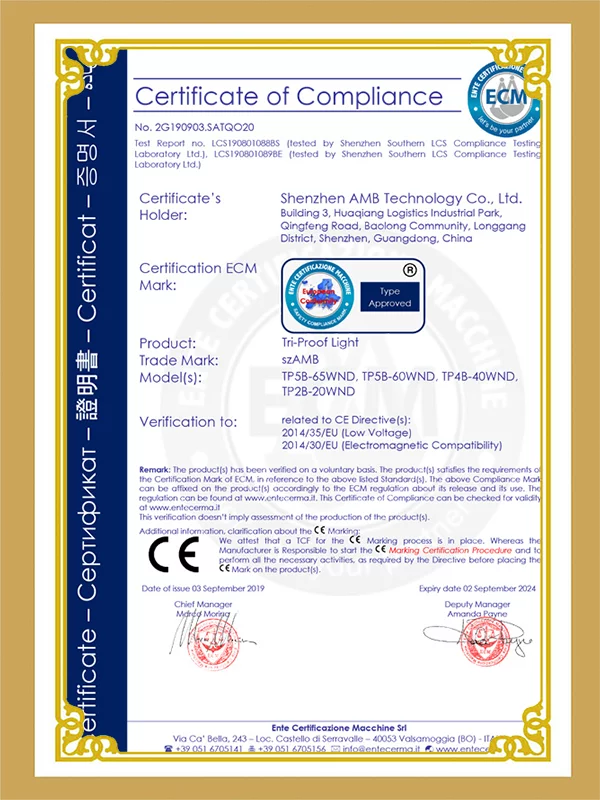
I’ll close by saying I favour practical, durable choices over flashy bells. We want fixtures that keep the barn safe, the animals calm, and the bills reasonable. If you want a trusted place to start, check out szAMB for product specs and real-world case notes — I’ve seen their kit hold up well on working farms. We’ve learned that small design choices make a big difference — and, honestly, swapping a bad lamp once is a pain none of us needs.