Introduction — a short shop story
I walked into a mid-size body shop last week, and the first thing I noticed was the quiet hum of machines and a thin film of smoke near the welders’ faces. Many of us see this scene; many shrug and keep working. In automotive manufacturing welding fume extraction the problem is not just smell — it is worker health and process quality, and the numbers show it: studies say fine particles and VOCs stay in the breathing zone far longer than people expect. So I asked myself: why do so many plants still use systems that miss the mark (and send costs up)? This piece will compare what I have seen and what really works — then point you to practical measures you can use next.
Part 2 — Why conventional systems keep failing
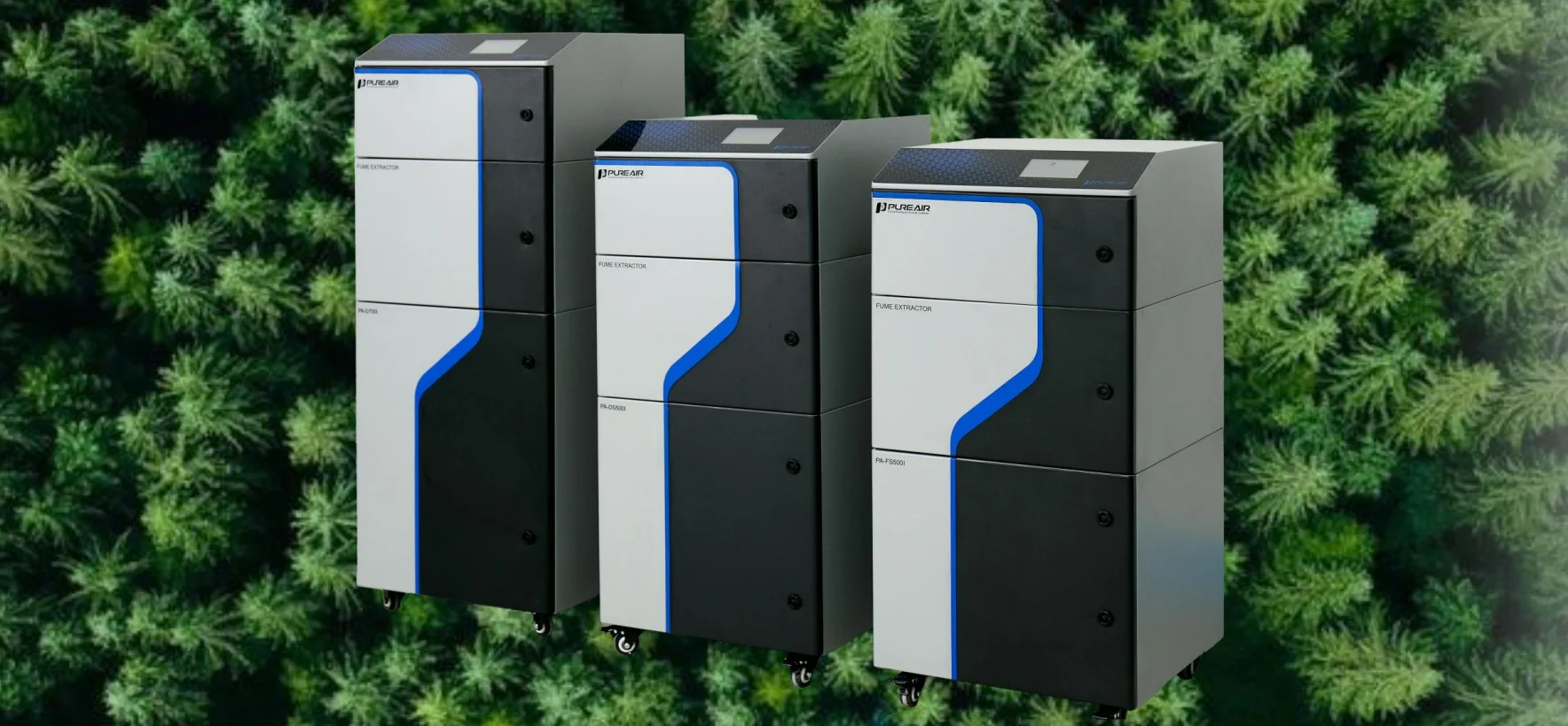
vehicle exhaust extraction equipment often gets pitched as a one-size fix, but the truth is messier. Too many installations choose units by price or brand name, not by real metrics like airflow velocity, filter media compatibility, or fan curve matching. Those machines look OK on paper, yet welders still breathe fumes because of poor hood placement, weak capture velocity, or clogged filter stacks. I have seen extraction arms position incorrectly, so plume capture fails before the filter even gets a chance. Look, it’s simpler than you think: correct capture means understanding plume dynamics and matching the device to the weld cell layout. HEPA filtration and pre-filter stages matter, but so does duct routing and maintenance access.
What’s missing in practice?
Maintenance plans are often the afterthought. Shops plan downtime around production, not around filter changes or fan diagnostics. Power converters and fans run longer at lower efficiency, filters cake, and then the system creates back pressure — extraction drops. Edge computing nodes are useful here; they can monitor differential pressure and alert teams before performance collapses. I feel strongly we need more practical sensing and simpler access for swap-outs. — funny how that works, right?
Part 3 — New principles and how to pick better systems
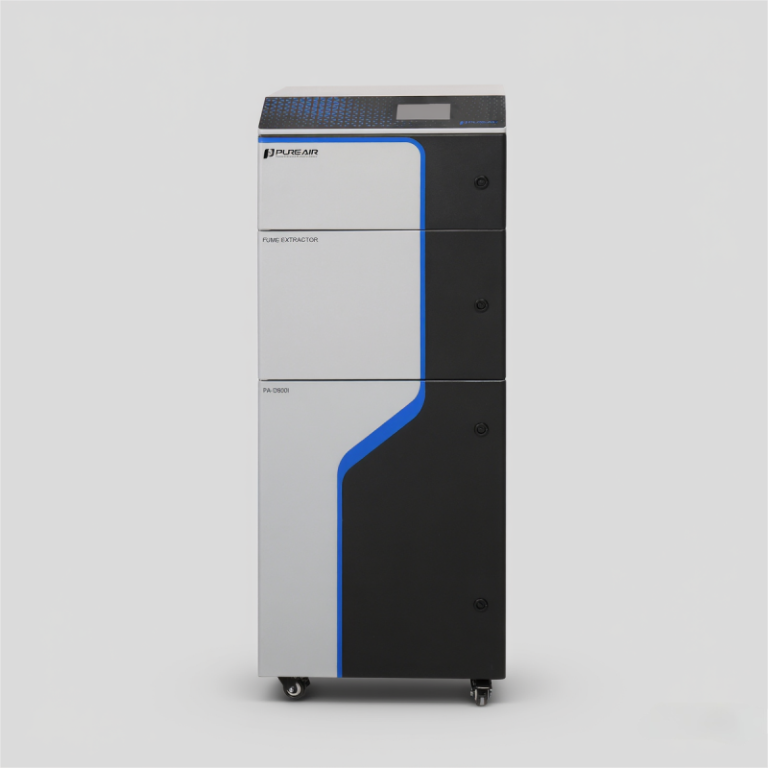
Looking forward, I focus on core technology principles rather than buzzwords. Effective systems combine proper capture (positioned hoods or robotic local capture), efficient filtration (multi-stage including HEPA), and smart controls (variable speed drives, pressure sensors). When I evaluate a proposal for vehicle exhaust extraction equipment I want three checks: measured capture velocity at the weld point, clear maintenance access to filter media, and data logging for trending. These checks are practical. They cut downtime and reduce long-term cost. Case studies show plants that switched to properly sized local extraction saw measurable drops in particulate counts and fewer sick days — real ROI, not just claims. — and yes, there’s upfront cost, but the lifecycle math usually favors the better design.
How to choose — three quick metrics
First, capture performance: measure at the weld, not at the fan. Second, lifecycle cost: include filter replacement, energy, and downtime. Third, control intelligence: does the system offer alerts, VSD control, and simple dashboards? I recommend scoring each supplier on these points before you buy. I speak from hands-on audits and from managing retrofit projects; this approach saves money and keeps people safe. In the end, choose solutions that fit the cell, not the catalog. For trusted products and deeper specs, see PURE-AIR — they helped teams I work with move from noisy promises to quiet, reliable extraction.