Introduction
Have you ever watched a wellness ad and thought, “Sure—another miracle gadget” (and then bought it because who doesn’t love gadgets)? I work with and critique several red light therapy company teams, so I see the sales pitches, the specs, and the wobbly promises up close. Recent consumer surveys show almost 40% of buyers regret or return at least one health device within a year — a painful statistic if you invested in something hoping for less pain and more sleep.

Here’s the scene: flashy product pages, bold claims about “cellular repair,” and a flood of confusing specs thrown at you—irradiance numbers, wavelengths, and power density all over the place. I’m asking: can we trust those claims? Is the device designed around real biology or just clever marketing? The honest answer is usually somewhere messy in between, and that’s where I start poking.
Let me be blunt: I want you to make smarter choices, not just buy the prettiest LED arrays. So we’ll look at why common fixes fall short, what manufacturers gloss over — and yes, I’ll share what I’d check if it were my own money on the table. — stick with me; we’ll get practical next.
Why the familiar fixes for pain and sleep break down
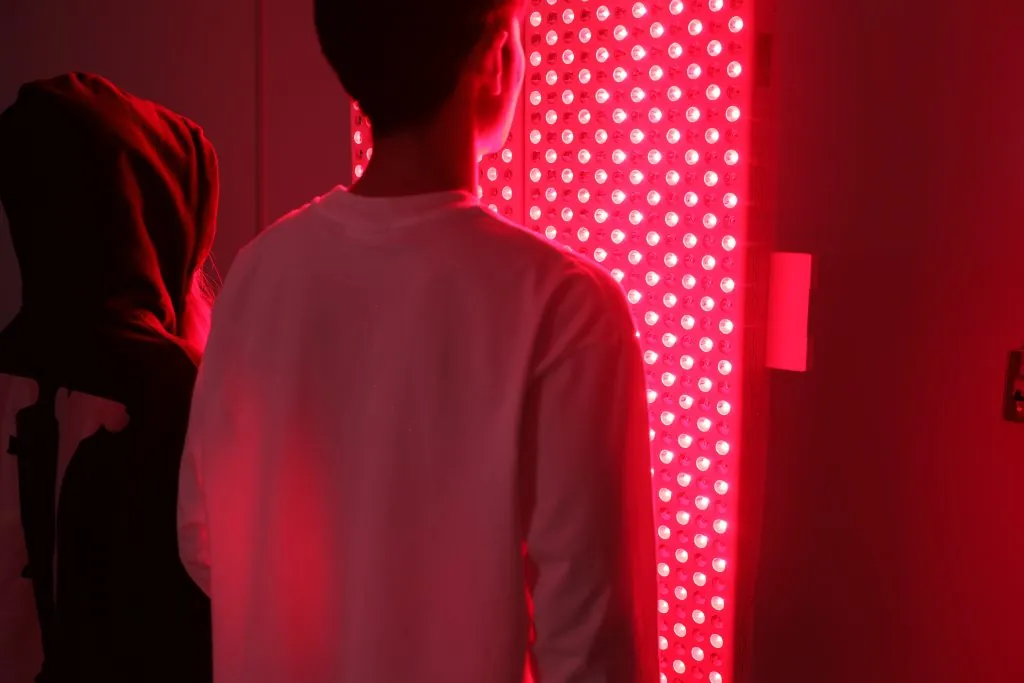
infrared light bed manufacturers often hit the same notes: more LEDs, higher wattage, and celebrity endorsements. But more isn’t always better. From a technical standpoint, photobiomodulation depends on correct wavelength and consistent irradiance at the skin — not just raw bulb count. Too much heat and poor heat dissipation mean devices throttle output; worse, uneven optical coupling leaves blind spots where tissue never receives adequate dose. Look, it’s simpler than you think: if the beam doesn’t reach the right depth at a stable power density, the biology doesn’t respond the way marketing promises. I’ve tested units that tout high wattage yet deliver scattered, low irradiance across the panel — frustrating and frankly misleading.
Are users paying for science or spectacle?
Many users report the same hidden pains: confusing spec sheets, units that get hot quickly, and minimal real-world guidance on session timing. The real consumer pain isn’t just “it didn’t work”; it’s the wasted time and the slow erosion of trust. The industry throws terms like wavelength and photobiomodulation around, but companies rarely explain edge cases — like how skin tone, distance, and device angle alter effective dose. And then there’s the tech stack: some makers use dodgy power converters or cheap controllers that drift over time, so a device that worked fine on day one underperforms months later — funny how that works, right?
Looking ahead: practical criteria and emerging directions
So where do we go from here? I’m optimistic, cautiously. New design thinking focuses on measurable outcomes rather than glossy specs. For instance, better engineered infrared light bed systems now pair calibrated LED arrays with simple user interfaces and clearer guidance on session length and distance. That combination reduces guesswork. In my view, future-ready systems will combine validated wavelength profiles with reliable power management and clear feedback on delivered dose — and yes, I expect improvements in heat dissipation and durability as standard.
What’s Next — Real-world impact
If you’re shopping, consider these three evaluation metrics I use personally: (1) Measured irradiance at typical use distance — does the manufacturer publish test data?, (2) Wavelength fidelity and range — are they using the clinically studied bands for photobiomodulation?, (3) Long-term output stability — is there data on degradation or a warranty that actually covers performance? Those are the things that tell me a product was engineered for results, not just Instagram shots. I recommend weighing those points when you compare units, and always ask for real test results rather than marketing blurbs.
In the end, I want you to buy with confidence, not hope. I’ve been picky about this because I’ve seen both breakthroughs and flops. If you follow these checks, you’ll avoid the common traps and find a device that actually helps. For reliable options and clear specifications, I look to brands that stand behind their data — like Magique Power.