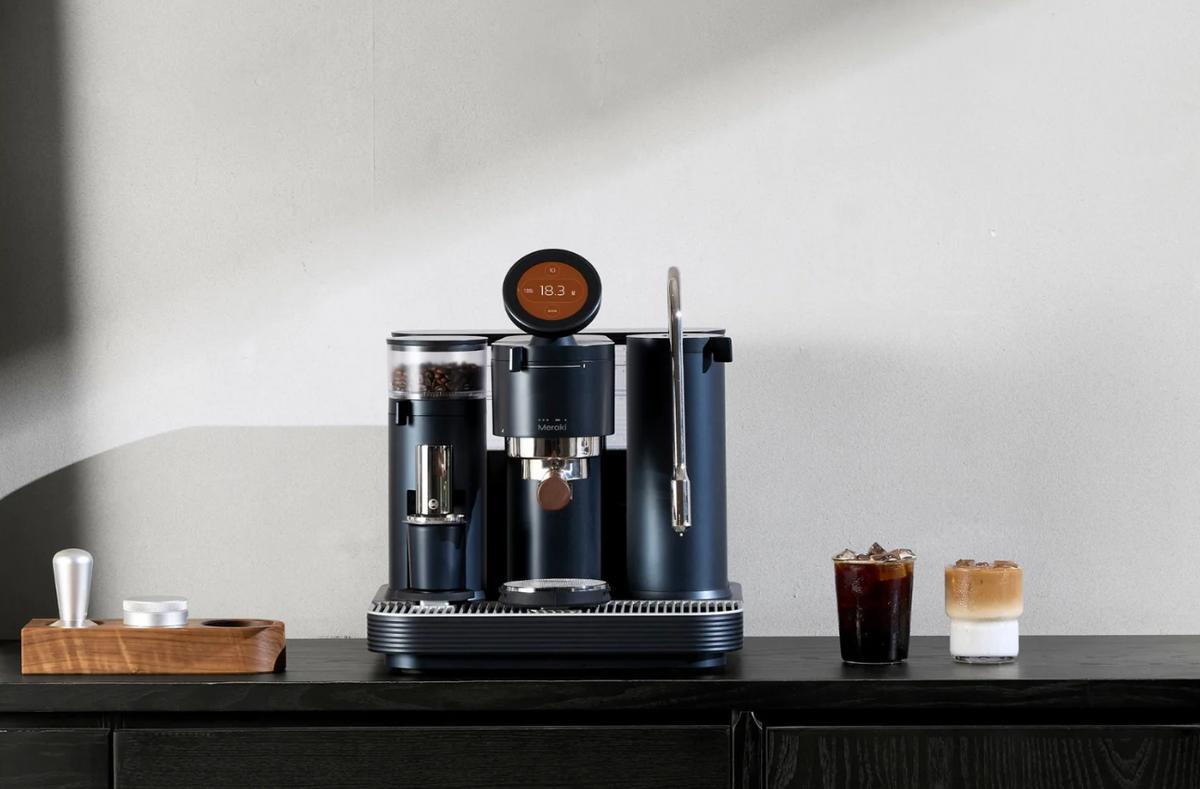
For many coffee lovers, making espresso at home is about more than preparing a quick drink. It is an opportunity to explore different beans, adjust brewing variables, and develop a routine that delivers a satisfying cup every morning. The challenge is that achieving consistent results can require several separate tools, careful measurements, and a willingness to learn how each part of the process affects the final flavor.
Meraki coffee takes a connected approach to home espresso, bringing grinding, brewing, steaming, and measurement into one integrated system. Rather than treating each stage as a separate task, the brand focuses on how these elements work together. Anyone exploring the Meraki official website can learn more about its home espresso system, product features, brand philosophy, and resources for coffee enthusiasts.
Why a Connected Espresso System Matters
A traditional home espresso setup often involves a machine, a separate grinder, weighing scales, and additional accessories. Each component has its own purpose, but coordinating them can make the process more complicated, especially for beginners. A change in grind size may require a new dose or extraction adjustment, while inconsistent measurements can make it difficult to reproduce a particularly good shot.
An integrated system aims to simplify these steps without removing the user’s ability to make decisions. When grinding, brewing, steaming, and measurement are designed to work together, the workflow becomes easier to follow. Users can concentrate on understanding their coffee rather than constantly switching between separate pieces of equipment.
This approach can also benefit experienced home baristas. Convenience does not have to mean sacrificing control. A well-designed system should make important variables accessible while allowing users to experiment with different recipes as their knowledge grows.
Grinding: The Foundation of Better Espresso
Grind size is one of the most influential variables in espresso preparation. Coffee that is too coarse may allow water to pass through the grounds too quickly, producing a weak or sour result. A grind that is too fine can restrict water flow and contribute to an overly bitter or unbalanced cup.
The ideal setting depends on several factors, including the beans, roast level, freshness, dose, and preferred extraction. This is why a grinder designed for espresso needs to offer meaningful adjustment rather than simply producing grounds of one general consistency.
Meraki’s integrated approach connects grinding with measurement, helping users work toward a more repeatable dose. Weighing coffee rather than estimating it by eye provides a clearer starting point when adjusting a recipe. If a shot tastes different from the previous one, users can examine the grind, dose, and extraction rather than changing several variables without knowing which one made the difference.
However, equipment alone cannot guarantee an excellent cup. Fresh beans, suitable storage, proper distribution, and consistent preparation remain important parts of the process.
Brewing and Measurement Work Together
Once the coffee has been ground and prepared, extraction becomes the next important stage. Espresso brewing involves directing hot water through compacted coffee grounds under pressure, extracting soluble compounds that contribute to aroma, body, sweetness, acidity, and bitterness.
Two measurements are particularly useful: the amount of ground coffee used and the amount of espresso produced. These are commonly described as the dose and yield. Keeping track of both helps home baristas establish a brewing ratio and repeat a recipe more consistently.
For example, a user might begin with a dose of 18 grams and aim for approximately 36 grams of espresso. This familiar 1:2 ratio is a starting point rather than a universal rule. Different coffees and taste preferences may call for a shorter or longer extraction.
When a machine integrates weighing into its workflow, users can spend less time coordinating external scales and more time evaluating the result in the cup. The goal is not to make every recipe identical, but to make changes deliberate and easier to understand.
Making Milk-Based Coffee at Home
Espresso is also the foundation of many popular milk drinks, including cappuccinos, flat whites, and lattes. Preparing these drinks involves more than pulling a shot: milk needs to be heated and textured appropriately, with the final consistency depending on the drink and the user’s preference.
For people who regularly prepare milk-based coffee, workflow can make a noticeable difference. A setup that allows brewing and steaming to take place without unnecessary delays can make the morning routine more practical, particularly when preparing several drinks.
Milk texture matters just as much as temperature. Properly steamed milk should have a smooth, integrated consistency suited to the drink being prepared. Large bubbles, excessive heating, or poorly controlled steaming can affect both texture and taste.
Learning to steam milk takes practice, but a well-organized machine can help users understand the process. Clear controls and useful feedback make it easier to develop repeatable habits without relying entirely on guesswork.
Learning the Craft Without Making It Complicated
One of the biggest barriers to home espresso is the learning curve. Beginners may encounter unfamiliar terms such as extraction yield, brew ratio, puck preparation, and grind adjustment before they feel comfortable using their equipment. Too much information at once can make a simple daily activity feel unnecessarily technical.
A guided workflow can make these concepts easier to approach. Users can begin with a straightforward recipe, learn how each stage works, and gradually experiment with adjustments. As their confidence increases, they can pay closer attention to flavor and make more informed decisions about their coffee.
For readers who want to develop these skills, Meraki’s espresso brewing guides provide a relevant place to explore topics such as dialing in espresso, understanding extraction, troubleshooting flavor, and improving milk preparation. These subjects are useful whether someone is buying their first serious machine or refining a setup they have used for years.
The most effective learning process is gradual. Change one variable at a time, record what happens, and taste the result. This creates a practical connection between the settings on the machine and the flavor in the cup.
Choosing Coffee Beans for Your Setup
Even an advanced espresso machine depends on the quality and suitability of the coffee being used. Different origins, processing methods, and roast profiles can produce distinct flavor characteristics, from chocolate and nuts to citrus, berries, and floral notes.
Roast level can influence how easily a coffee extracts. Some lighter roasts may require a different grind setting or brewing approach from darker roasts. There is no single recipe that works perfectly for every bean, so experimentation is part of the enjoyment.
Freshness and storage are important as well. Coffee should be kept in an airtight container away from heat, moisture, and direct sunlight. Once opened, beans gradually lose some of their aromatic qualities, so buying an appropriate quantity and storing it carefully can help preserve flavor.
A consistent espresso workflow makes it easier to compare different coffees. When dose and yield remain controlled, changes in flavor are easier to evaluate. This gives coffee enthusiasts a more useful way to discover which beans suit their preferences.
Building a Practical Home Coffee Routine
A successful home espresso setup should fit the way people actually live. Someone preparing one drink before work may value speed and simplicity, while an enthusiast who enjoys experimenting on weekends may prioritize adjustment options and detailed feedback. Households with different coffee preferences may need a setup that can accommodate a variety of drinks.
Before choosing equipment, consider the available counter space, the number of drinks prepared each day, and the amount of time you want to spend learning. Also account for routine maintenance, coffee storage, cleaning supplies, and any accessories that are genuinely necessary.
An integrated machine can reduce the need to coordinate separate devices, but users should still review its specifications and understand which functions are included. Product details, warranty terms, compatibility, and current availability are worth checking before making a purchase.
Regular cleaning is equally important. Coffee oils and fine particles accumulate during use, while milk residue can become difficult to remove if left unattended. Following the manufacturer’s maintenance guidance helps keep the equipment in good condition and supports a more reliable daily routine.
Is an Integrated Espresso Machine Right for You?
An integrated espresso system can be a good fit for people who want a structured workflow without assembling every component individually. It may be particularly appealing to coffee drinkers who want to move beyond basic automatic machines but do not want a crowded counter filled with separate equipment.
Experienced users should also consider how much control they want over preparation. A connected workflow can simplify measurement while still leaving room to adjust grind size, dose, yield, and other brewing variables. The right balance depends on personal preferences, experience, and the kinds of coffee drinks prepared most often.
It is sensible to compare the complete system rather than focusing only on the machine’s headline features. Consider the quality of the grinder, the available controls, the brewing and steaming arrangement, the maintenance requirements, and the level of guidance provided.
Ultimately, the best equipment is the one that supports the user’s routine and makes good coffee enjoyable to prepare consistently.
Final Thoughts
Meraki coffee reflects an approach to home espresso in which grinding, brewing, steaming, and measurement are considered parts of one connected experience. Bringing these stages together can make the process easier to understand while helping users build more consistent preparation habits.
Good espresso still depends on the beans, the recipe, careful preparation, and personal taste. An integrated system can provide a practical foundation, but learning how the variables interact is what helps coffee enthusiasts improve over time. By combining suitable equipment with a willingness to experiment, home baristas can develop a routine that is both convenient and rewarding.